Last updated November 17, 2026
How to Hire an ADU Contractor in North Las Vegas: A Step-by-Step Guide
A general contractor can be fully licensed to build your accessory dwelling unit and still have never pulled a single ADU permit in North Las Vegas. That’s the uncomfortable gap most hiring guides skip over. Being legally allowed to build something and knowing how to build it are two different credentials, and the city won’t check that for you. You will. This guide walks through how to verify a Nevada contractor’s license, how to interview for real ADU experience, how to compare two bids line by line, and which contract terms protect your money as the project moves. It’s written for North Las Vegas homeowners who want a specialist, not a generalist learning on their dime.
Quick Answer
Hiring an ADU contractor in North Las Vegas means verifying an active Nevada contractor’s license, insurance, and workers’ comp through the state database, then interviewing for ADU-specific experience rather than general construction experience. Ask how many ADU permits the contractor has pulled in North Las Vegas, how they handle the city’s plan review, and how payment is tied to inspection milestones. Compare bids line by line, because the contractors who know ADUs include scope items that generalists leave out.
Table of Contents
- How Do You Verify a Nevada Contractor’s License, Insurance, and Workers’ Comp?
- The Five Interview Questions That Expose an ADU Generalist
- How to Read Two ADU Bids Apples-to-Apples
- Contract Terms That Protect You on an ADU Project
- Why Design and Build Belong With One ADU Specialist
- What Makes North Las Vegas ADU Projects Different
- Prefab vs. Site-Built: Should the Contractor Care Which?
- Common Mistakes to Avoid
How Do You Verify a Nevada Contractor’s License, Insurance, and Workers’ Comp?
You verify a Nevada contractor through the Nevada State Contractors Board’s online license lookup. Every licensed contractor in the state has a record there, and the record tells you four things that matter more than any brochure: the license status, the license classification, the insurance on file, and whether the contractor carries workers’ compensation. Pull the record before the first meeting, not after the first invoice.
Here’s what each field actually means when you’re reading it:
- Status (active or inactive): An inactive license means the contractor can’t legally take your job right now. This happens more than homeowners expect. Check the status on the day you sign, not just on the day you first looked.
- Classification: Nevada licenses contractors by trade classification. Your ADU is a residential structure, so confirm the classification matches residential construction work. A classification that doesn’t cover what you’re building is a real problem.
- Insurance on file: The board requires a certificate of insurance. Ask for an updated copy directly from the contractor’s insurance agent, not from the contractor, and confirm the policy is current.
- Workers’ compensation: If the contractor has employees, workers’ comp must be in place. If workers’ comp isn’t on file, ask why. A sole proprietor with no employees can be legally exempt in some cases, but you want that explained clearly, not glossed over.
One more step: confirm the name on the license matches the name on your contract and the name on the bid. A bid from one entity and a contract from another is a warning sign worth asking about before you sign anything. Our team at Casita Builders North Las Vegas walks every homeowner through this checklist because we’d rather you verify it than take our word for it.
The Five Interview Questions That Expose an ADU Generalist
The interview is where specialists and opportunists separate. Any competent contractor can talk about framing and concrete. What they can’t fake is a working knowledge of the ADU permit process in North Las Vegas specifically. Here are five questions, and what a real answer sounds like.
- “How many ADU permits have you pulled in North Las Vegas, and can you walk me through the process?” A specialist answers with steps: preliminary site check, plan submission to the city’s planning and building department, plan review comments, revisions, permit issuance, and inspections at defined stages. A generalist answers with a vague version of “we handle all the permitting for you.” The specialist will name the sequencing without hesitating.
- “What have plan reviewers flagged on your ADU submittals?” Everyone who has submitted ADU plans has had comments come back. A contractor who claims an untroubled record either hasn’t submitted many plans or isn’t being straight with you. You want to hear what came back and how it was resolved.
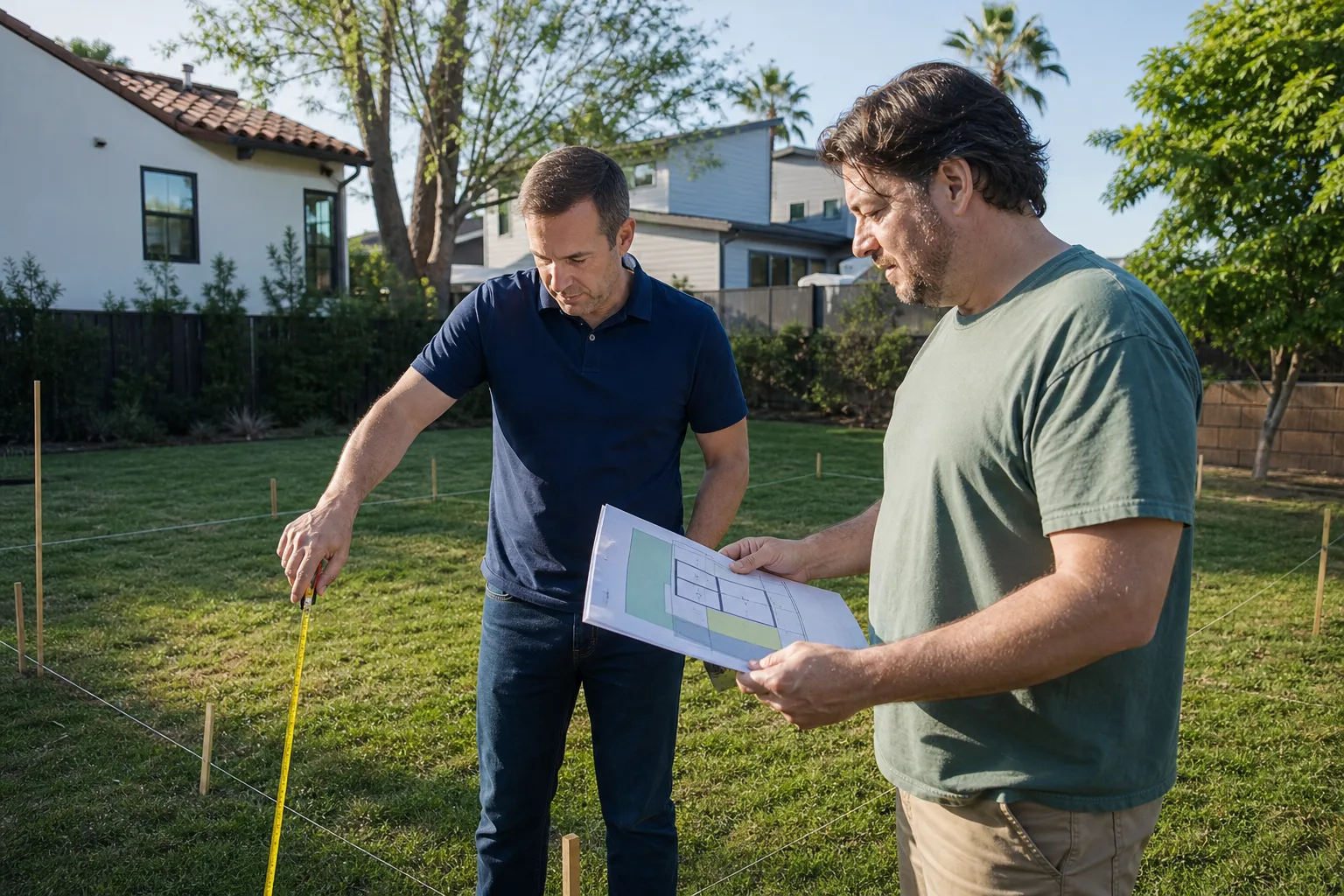
- “How do you handle the site survey and grading on a lot like mine?” ADUs are tight-footprint projects on lots that already have a house, a driveway, and often a pool or mature trees. A specialist talks about drainage, utility routing, and how the new structure relates to the existing house. A generalist talks in generalities.
- “Who draws the plans, and are they on your team or separate?” If the design is separate, ask how the two firms communicate and who owns the drawings. Coordination gaps between an architect and a separate builder are where ADU budgets get eaten.
- “What’s the inspection milestone schedule, and how does my payment schedule line up with it?” The right answer connects money to inspections: foundation, framing, rough-in, final. If the answer is calendar dates, keep asking questions.
Notice that none of these questions ask about price. Price comes after you’ve established that the contractor actually knows what they’re pricing. For a deeper look at the construction side, our ADU builders page explains how the build sequence works in practice.
How to Read Two ADU Bids Apples-to-Apples
The most expensive bid isn’t the highest number. It’s the lowest number that omits half the scope. Two ADU bids can differ by tens of thousands of dollars and still describe the same project. The difference lives in the details. Experienced ADU contractors include line items that generalists routinely leave out, and those omissions don’t show up until the middle of construction, when you have no leverage to negotiate.
Put both bids side by side and check for these line items. If a bid is missing one, ask whether it’s included or excluded. An exclusion is fine if it’s written down. Silence is not.
- Site work and grading: Excavation, grading, drainage, and utility trenching. Generalists often list site work as an “allowance” without a number attached.
- Utility connections and trenching: Water, sewer, electrical, and gas connections from the main house to the ADU. This line item can swing widely.
- Permit fees and plan review fees: Some contractors include them, some pass them through, some forget. Ask which.
- Design and engineering: Architectural drawings, structural engineering stamps, and site survey. If it’s not in the bid, ask who pays for it.
- Inspection management: Who is on site for inspections, and is that time in the bid? Generalists often don’t budget for it.
- Finish scope: Flooring, cabinetry, countertops, fixtures, and paint. A bid that says “standard finishes” without a spec sheet tells you nothing.
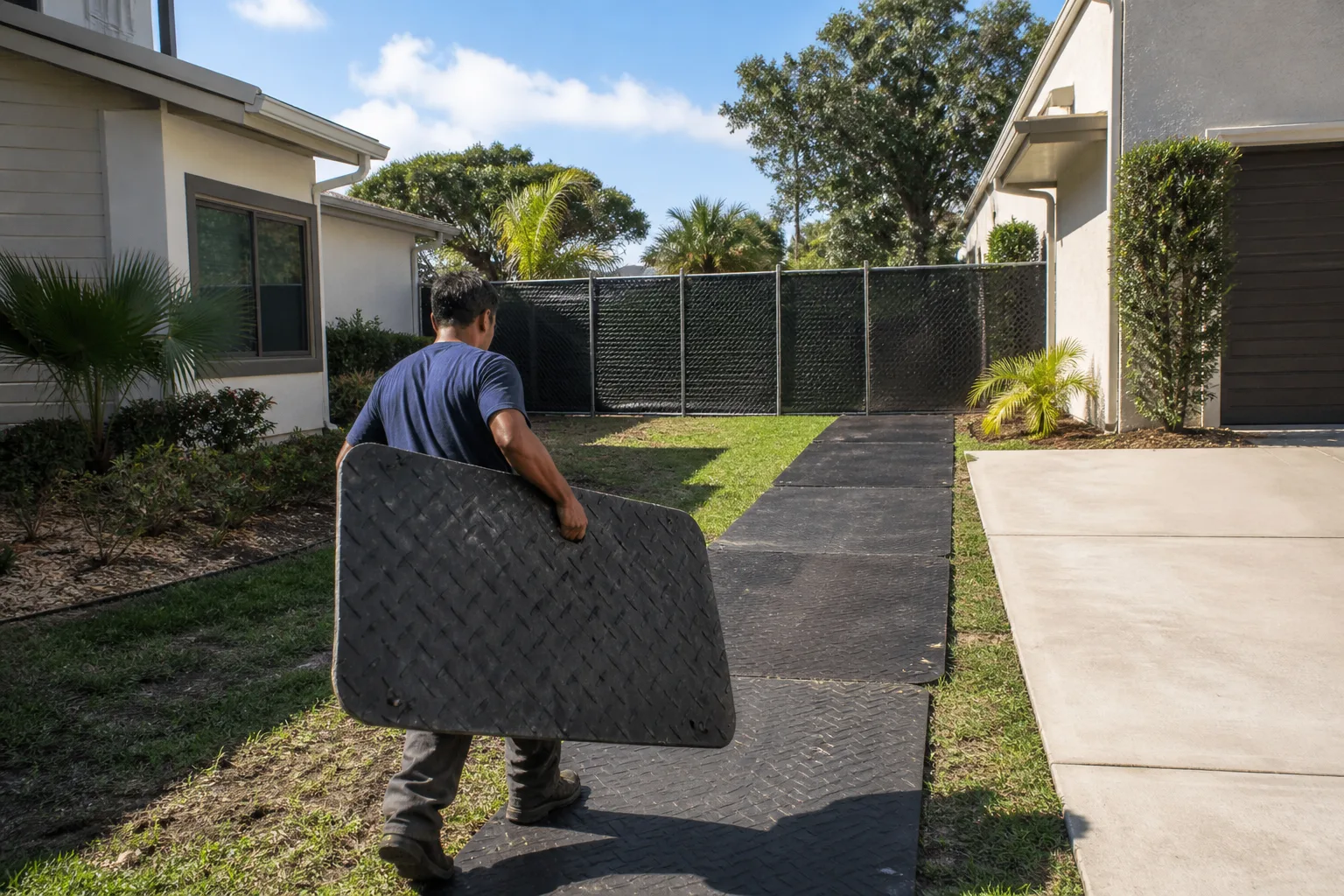
- Site protection and cleanup: Fencing, dust control, and debris removal. On a lot where the ADU is thirty feet from your kitchen window, this matters.
- Warranty on labor and materials: What’s covered, for how long, and who holds the warranty. Prefab units carry a manufacturer warranty on the unit itself; site-built work needs a labor warranty spelled out.
Ask each contractor to break their bid into the same categories so you can compare line by line. A contractor who can produce a line-item quote is one who’s thought through the project. A contractor who won’t break it down is asking you to trust a number you can’t audit.
Contract Terms That Protect You on an ADU Project
The single most important clause in an ADU contract is how your money is released. Payment tied to calendar dates means you’re paying for progress whether or not the progress happened. Payment tied to inspection milestones means your money moves when the work passes a third-party check. On a project this size, that difference is the whole game.
Here’s a payment structure we’ve seen work well for ADU projects, and one you can propose to any contractor:
- A modest deposit at contract signing – enough to cover mobilization and plan work, not a significant share of the total.
- A payment when the permit is issued – ties the first real money to the moment the city approves the plans.
- A payment at foundation inspection – the foundation is signed off before the next check moves.
- A payment at framing inspection – the structure is signed off before the next check moves.
- A payment at rough-in inspections – electrical, plumbing, and mechanical are signed off.
- A final payment at final inspection – nothing closes out until the city signs the final inspection and you’ve walked the finished space.
Beyond payment milestones, look for these terms in the contract:
- A written change-order process – any scope change gets a written price and your signature before the work begins. Without this, “small changes” become invoices.
- A firm line-item price – the total should trace back to the line-item quote, not a rounded number.
- Named completion and inspection responsibilities – who schedules inspections, who is on site, and who corrects any failed inspection at whose cost.
- A warranty clause – what’s covered, for how long, and the process to make a claim.
- A schedule in the written estimate – ADU timelines are specific to your lot, design, and permit status. The schedule should be in writing, not on a handshake.
If a contractor resists milestone payment, that’s a conversation worth having. If they refuse to put the schedule or the change-order process in writing, walk away. Take a look at our North Las Vegas page for how we handle written estimates locally.
Why Design and Build Belong With One ADU Specialist
Design-bid-build is the traditional way construction gets done: one firm draws the plans, another firm builds them, and the homeowner is the messenger between the two. On a full-size custom home, that separation can make sense. On an ADU, it’s usually a cost, not a feature. The two firms don’t share overhead, don’t share a schedule, and don’t share the consequences when the plans and the build disagree.
Two coordination gaps show up again and again in ADU projects split between an architect and a separate builder:
- The drawings don’t match the lot. The designer draws a beautiful unit without understanding where the utility lines are or how the lot grades. The builder discovers it during construction. The fix is a redesign or a costly field change, and you’re the one paying for both.
- Nobody owns the permitting. The designer says permitting is the builder’s job. The builder says the drawings are the designer’s job. Plan review comments get bounced back and forth while your timeline slips.
- Inspection corrections fall into no-man’s land. A framing inspection gets flagged, and the fix depends on whether it’s a design issue or a build issue. In a split arrangement, that’s a negotiation. In a single-firm arrangement, it’s just an item on the list.
When design and build sit with one ADU specialist, the person drawing the plans and the person building them talk to each other without you translating. Cost estimates come from the same team that will do the work. And when the city’s plan reviewer has a comment, one firm owns the response. This is why we keep design and build together at Casita Builders – and why we take on both room addition contractor work and full ADU builds under the same roof.
What Makes North Las Vegas ADU Projects Different
Every city has its own ADU rules, and those rules matter more than any general explanation of how an ADU works. We won’t give you setback distances, height limits, or size caps here, because the rules depend on your specific parcel and the city’s current code. Instead, here’s what a specialist brings to a North Las Vegas ADU project that a generalist doesn’t.
North Las Vegas is a desert city with wide lots in newer subdivisions and tighter parcels closer in. The climate is hot and dry with intense summer sun, which shapes design decisions: where windows go to manage heat gain, how roof overhangs work, and how the unit stays comfortable without overrunning the energy budget. A contractor who builds in this climate regularly makes those decisions on instinct. A contractor who mostly works elsewhere is guessing.
Summer heat also affects the build schedule. Concrete pours and certain exterior work are harder in the hottest months, and scheduling has to account for that. Local ADU experience means knowing the sequencing that works in this climate.
On the regulatory side, North Las Vegas reviews ADU plans through its planning and building department. The submission process has specific steps and specific paperwork, and contractors who have been through it know the sequence. The rules depend on the city and the lot, and we confirm them with the city’s planning or building department before plans are final. That confirmation step is one of the most important things a contractor can do for you, and it’s the step generalists skip when they assume the rules everywhere else apply here.
One more thing worth knowing: not every North Las Vegas lot can support an ADU of a given footprint. A specialist will check the parcel before drawing anything. If you’re considering a garage conversion instead, the existing structure can open up a path that a full ground-up build can’t, and that’s a conversation worth having early. Our garage conversion contractor page covers that route in detail.
Prefab vs. Site-Built: Should the Contractor Care Which?
The best contractor for your ADU is the one whose recommendation fits your lot, timeline, and budget, not the one who can only offer the option they happen to sell. If a contractor only builds stick-built and dismisses prefab, or only installs prefab and dismisses site-built, you’re hearing their business model, not your best option. This is the core reason homeowners should look for a contractor who offers both.
Here’s how the two paths usually compare:
- Prefab / modular: Factory-built units come with manufacturer-controlled quality standards, a defined timeline, and a manufacturer warranty on the unit itself. On a lot that supports it, the construction phase is faster and more predictable. The unit quality doesn’t depend on the crew’s day-to-day conditions because it’s built in a controlled environment. We’re an authorized builder for Abodu, Cover, and Dvele, which means factory-quality standards back the prefab option.
- Site-built: Built on your lot from the ground up. Maximum flexibility on design, more customization on layout, and a structure that can adapt to a difficult lot. This is the path when prefab doesn’t fit your specific site or when you want a design that a factory model doesn’t offer.
A specialist evaluates your lot, checks the utility routing, and recommends the path that works. A generalist offers the path they know. Ask any contractor the direct question: “Do you build both prefab and site-built, and how do you decide which to recommend?” The answer tells you whether their recommendation is about your project or about their margins.
Common Mistakes to Avoid
- Hiring on price alone. The lowest bid is often the one that omitted scope and will add it back later. Compare line items, not totals.
- Skipping the license check. Pull the Nevada State Contractors Board record yourself. Confirm active status, classification, insurance, and workers’ comp on the day you sign.
- Accepting a “we handle all the permitting” answer. Ask for the actual process. A specialist describes the steps; a generalist describes the promise.
- Paying on calendar dates. Payment should follow inspection milestones, not the calendar. This is the single biggest protection you have.
- Accepting “standard finishes” without a spec sheet. A bid without a finish spec leaves every material decision up for interpretation mid-construction.
- Using a contractor whose only experience with North Las Vegas ADU rules is secondhand. Plan review comments and permitting steps are specific to the city. Experience here matters.
- Splitting design and build without a written coordination plan. If the architect and builder are separate firms, the contract needs to say who owns permitting and who corrects failed inspections. Without that, you’re the messenger.
When to Call a Professional
You should call a professional ADU contractor when you’re still deciding what your lot can support. Site evaluation, utility routing, and permit feasibility are the first decisions, and they’re cheaper to get right than to correct later. Call when you’re choosing between a ground-up ADU, a garage conversion, and a room addition – a specialist who does all three can tell you which path fits your build. Call before you draw plans with a separate architect, because the design should reflect what a builder knows about the site. And call before you sign a bid from a contractor whose ADU experience you haven’t verified. Casita Builders North Las Vegas offers free estimates in North Las Vegas – call (888) 563-2415 for a written line-item quote. Our technicians have up to 10 years of experience, and we build both prefab and site-built, so the recommendation follows your lot, not our product line.
Frequently Asked Questions
ADU construction pricing depends on the size, the finish level, the site conditions, and whether you choose prefab or site-built, which is why a written line-item estimate matters more than a general range. We don’t publish a flat price because the range would be misleading on your specific lot. The written estimate sets the final price, and it’s free to get one. Call (888) 563-2415 for an exact quote – estimates are free.
Not if the scope is documented and the change-order process is in writing. Any change to scope should come with a written price and your signature before the work begins. A contractor who won’t put a change-order process in the contract is telling you something. Call (888) 563-2415 for a written estimate with a fixed line-item price.
Permitting is part of the service on any ADU project we take on, and the process runs through the city’s planning and building department. The specific requirements depend on your parcel and current city rules, which we confirm with the city before plans are final. You don’t have to file the application or track the review comments yourself. Call (888) 563-2415 to talk through your lot and what permitting involves.
The schedule depends on your lot, design, prefab versus site-built, and where your permit sits in review, so we put the timeline in the written estimate rather than quoting a general number. Prefab and site-built have different construction phases. Getting the schedule in writing means you can hold the project to it. Call (888) 563-2415 to get a written estimate with a schedule.
Legally, yes. Practically, a general contractor who builds ADUs occasionally will likely be learning your city’s ADU permit process on your project. ADU specialists have repeated, pattern-matched experience with the permitting steps, the plan review comments, and the build sequences specific to this project type. If you interview a generalist, ask the five questions in this guide and see how specific the answers get. Call (888) 563-2415 for a free estimate from a team that does ADUs only.
Often yes, and it’s one of the most cost-effective paths to added square footage if the structure can support it. Garage conversion rules and fitness depend on your specific structure and parcel, and the details are confirmed with the city. A conversion specialist bridges the gap between existing structure and new living space. Call (888) 563-2415 to talk through your garage and whether conversion makes sense.
The Bottom Line
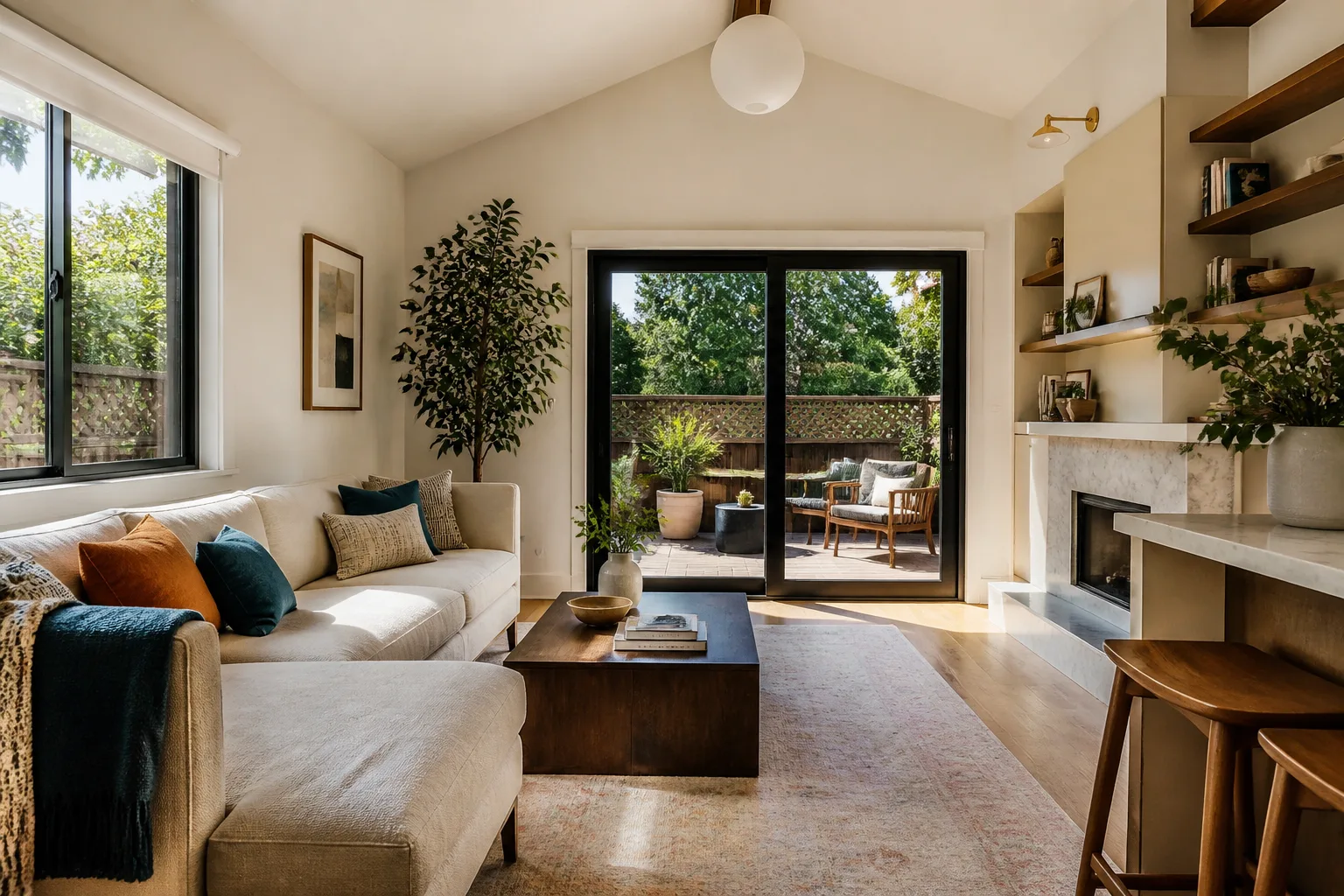
The difference between a North Las Vegas ADU that runs on schedule and one that runs off the rails is almost always decided during hiring, not during construction. Verify the license, insurance, and workers’ comp yourself through the state database. Ask the five interview questions and listen for specifics, not reassurance. Compare bids line by line, and treat payment tied to inspection milestones as non-negotiable. Keep design and build with one ADU specialist so permitting and inspection corrections fall to one firm. The gap between a contractor who’s licensed for the job and one who’s actually done it is on you to close. Close it before you sign, not after.
Casita Builders North Las Vegas is a specialist ADU and home-expansion contractor. We build ground-up ADUs, garage conversions, and room additions, and we build both prefab and site-built, so we can recommend the path that fits your lot without bias toward a product line. We’re an authorized builder for Abodu, Cover, and Dvele, which means factory quality standards back the prefab option. Whatever path you choose, you get a written line-item estimate and a payment schedule tied to inspection milestones.
Call (888) 563-2415. We answer 24/7. Fast dispatch from 7am to 7pm, Sunday through Friday.
Written by the team at Casita Builders North Las Vegas.